4 min read · Updated 28 October 2026 · By the HotelGoGo editorial team
Brighton is the classic escape from London: a seaside city with a pier, a pebble beach, an exotic royal palace and some of the most independent, creative streets in the country. Around an hour by train from London, it is easy to reach for a weekend, and it has a huge choice of places to stay, from grand seafront hotels to Regency townhouse guest houses. Here is how to decide where to base yourself before you browse hotels and guest houses in Brighton.
The seafront
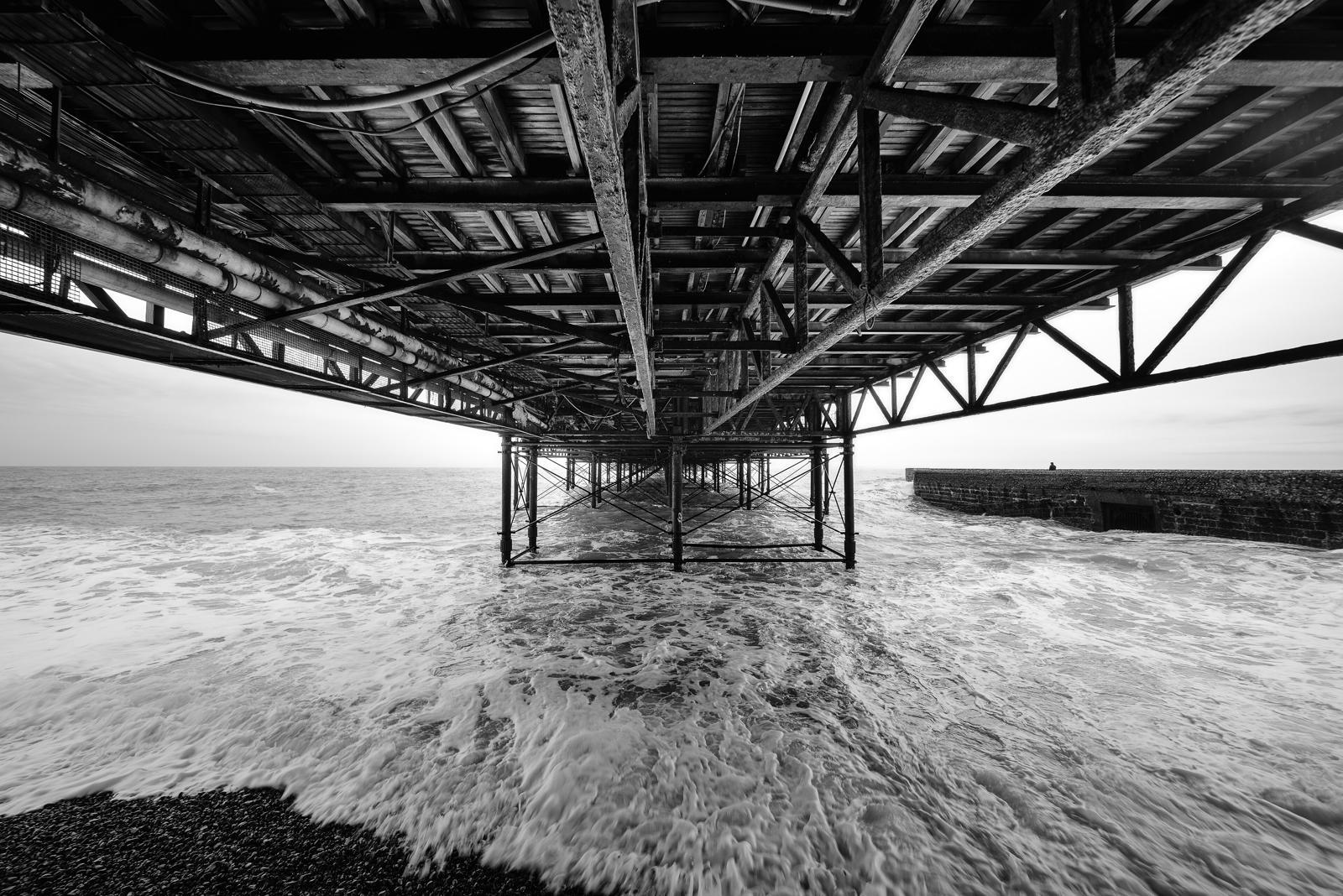
Brighton's seafront runs for miles, lined with Regency and Victorian terraces painted in cream and white. Brighton Palace Pier, opened in 1899, is the city's most famous landmark, with its arcades and rides. Further west stand the skeletal remains of the West Pier, which closed in 1975 and was later wrecked by fire and storms, and beside it the Brighton i360 observation tower, which lifts visitors high above the coast. Staying on the seafront means sea views and the sound of waves, and you can walk the promenade in either direction. Rooms with a view are in high demand, so book early for summer weekends.
The Lanes and North Laine
Behind the seafront, the Lanes are a tangle of narrow alleyways that follow the street pattern of the old fishing town, full of jewellers, antique shops, restaurants and pubs. North of them, North Laine is a grid of streets packed with independent shops, vintage stores, cafés and bars, and has a bohemian feel. Staying close by puts you in the thick of Brighton's personality and close to the railway station. The Royal Pavilion, built as a seaside pleasure palace for the Prince Regent, later King George IV, with its Indian-style exterior and lavish Chinese-inspired interiors, sits between North Laine and the sea.
Kemptown
East of the Palace Pier, Kemptown has elegant squares and crescents, including the grand Sussex Square and Lewes Crescent. St James's Street is lively and known as the heart of Brighton's LGBTQ+ community, which also hosts Brighton Pride, one of the largest Pride events in the UK. Further east, Brighton Marina offers restaurants and a more modern setting, and the undercliff walk heads towards Rottingdean beneath the chalk cliffs.
Hove
Brighton and Hove became a single city in 2000, but Hove keeps its own calmer character. Its seafront is lined with brightly painted beach huts and wide lawns, and its avenues and Regency squares such as Brunswick Square are among the finest in the region. Hove is a good choice for families and anyone who wants a quieter base within walking distance of central Brighton. Browse places listed under Brighton and Hove.
The South Downs
Brighton sits at the foot of the South Downs, and the South Downs National Park is easy to reach by bus or bike. Devil's Dyke, a dramatic dry valley just north of the city, offers huge views, and the South Downs Way national trail runs along the ridge. Further east, the chalk cliffs of the Seven Sisters and Beachy Head are among the most striking coastal scenery in England. Lewes, a historic county town with a Norman castle, is a short train ride away.
Things to know
Brighton's beach is shingle rather than sand, so bring suitable footwear for swimming. The city's festival season in May includes the Brighton Festival and the Brighton Fringe, and summer weekends and bank holidays are very busy. Parking in central Brighton is limited and expensive, so if you drive, ask your accommodation about parking or consider leaving the car at home. Many seafront hotels have minimum-stay requirements on peak weekends.
Getting there
Fast trains run from London Victoria and London Bridge, with a journey of around an hour, and there are direct services to Gatwick Airport. Coastal trains link Brighton with Hove, Worthing, Lewes and Eastbourne, so you can explore the coast without a car.
Eating and drinking
Brighton has a reputation for independent food and drink, with a particularly strong choice of vegetarian and vegan restaurants, along with seafood stalls along the beach, cafés in North Laine and pubs in the Lanes. Many owners of smaller guest houses are happy to point you to their own favourites, which is one of the advantages of staying somewhere independent. Booking ahead is wise for popular restaurants on Friday and Saturday evenings, especially in summer and during the May festivals.
Choosing the right place
Brighton's guest houses, many in Regency terraces in Kemptown and around Regency Square, offer character and good value, while larger hotels on the seafront provide facilities and views. Our guest house versus hotel guide can help you decide. For more coast ideas, read our seaside weekends guide or our Southend-on-Sea guide. When you are ready, browse Brighton listings and contact owners directly.
Details such as opening times, transport and events change. Please check with venues, operators and properties before you travel. HotelGoGo is an independent directory: we do not take bookings or commission.