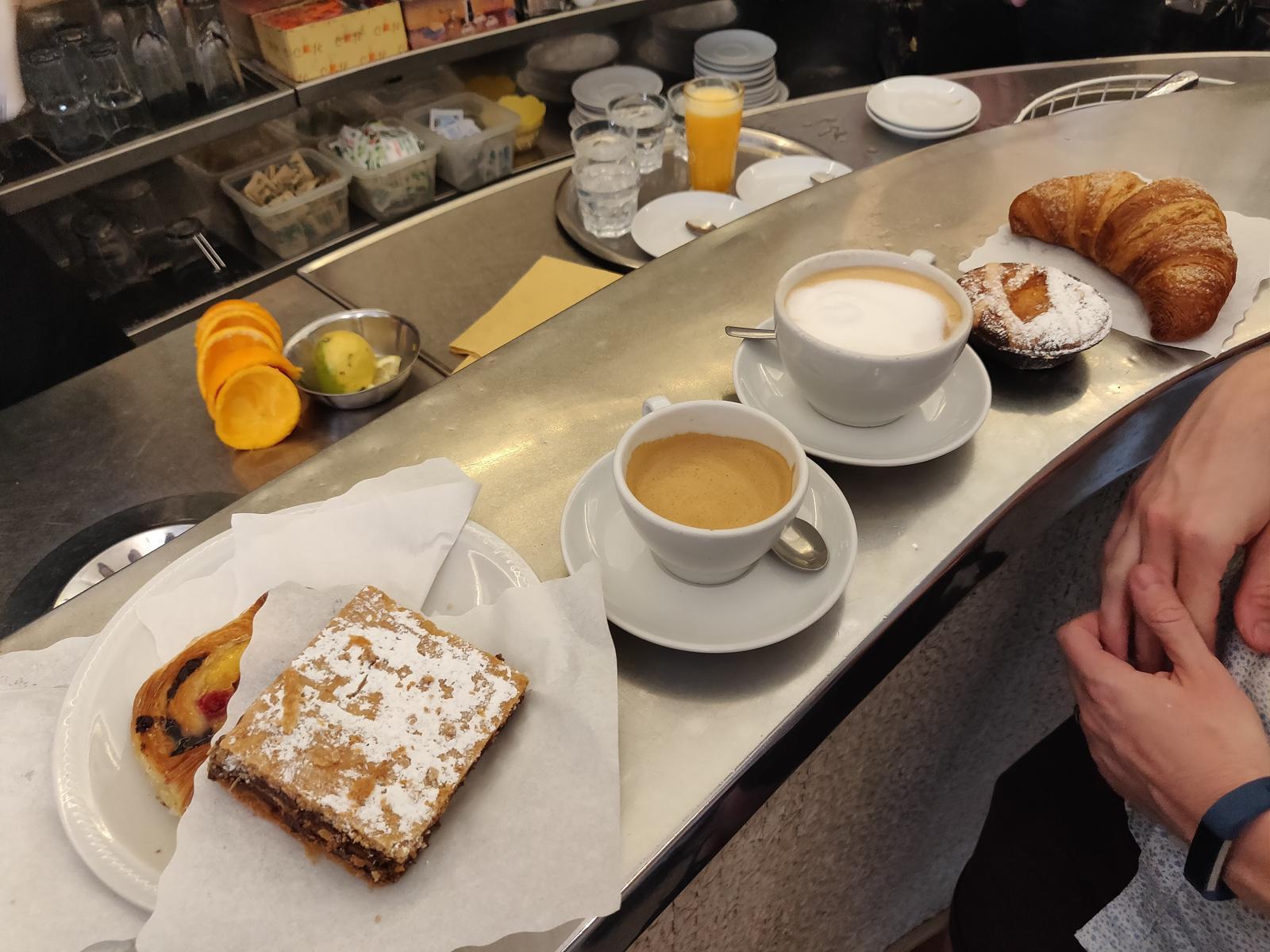
4 min read · Updated 28 October 2026 · By the HotelGoGo editorial team
Search for somewhere to stay in almost any British town and you will find a mix of hotels, guest houses, bed and breakfasts and inns. They can all be excellent, and they can all be disappointing, but they are different kinds of experience. Understanding those differences helps you pick the right place for the trip you have in mind. This guide explains the main types of accommodation you will find on HotelGoGo and the questions worth asking before you book.
What is a hotel?
A hotel is usually the largest type of accommodation, with a reception desk, a number of rooms over several floors and a range of services. Many have a restaurant and bar open to non-residents, room service, meeting rooms and sometimes a spa, gym or pool. Staff are on duty for long hours, often around the clock. Hotels range from small independent properties with a handful of rooms to large chain hotels, boutique hotels with a strong design identity, and grand historic hotels. The advantages are predictability, facilities and flexibility: late arrivals, a lift, and somewhere to eat on site are common. The trade-off can be a less personal feel.
What is a guest house?
A guest house is generally smaller and often run by the owners themselves, sometimes living on the premises. Rooms may be in a converted townhouse or villa, and there is usually a guest lounge and a dining room where breakfast is served. Facilities are simpler than in a hotel, and there may not be a reception desk staffed at all hours, so it is worth agreeing an arrival time. The appeal is the personal welcome, local knowledge from the owners and often good value. Guest houses are a traditional part of the British seaside, and many cities and market towns have streets of them.
What is a B&B?
A bed and breakfast is typically the most intimate option, sometimes just a few rooms in the owners' home, with breakfast included in the price. Hosts often take great pride in their breakfasts, using local produce, and can advise on walks, restaurants and things to do. B&Bs are especially common in the countryside and in tourist areas such as the Cotswolds, the Lake District and Cornwall. The line between a B&B and a guest house is blurry, and you will often see both terms used for similar places.
What is an inn?
An inn is a pub with rooms. Traditional coaching inns, built to serve travellers on the old roads, are found all over the country, and many village pubs now offer comfortable bedrooms upstairs or in converted outbuildings. Staying at an inn means your evening meal and a drink are just downstairs, which is a great advantage in rural areas. Rooms above a busy bar can be noisy until closing time, so ask if you are a light sleeper.
Other types of stay
You will also see aparthotels, which combine hotel services with apartment-style rooms and kitchens, useful for longer stays and families, and boutique hotels, smaller hotels with individual design and a particular character. Restaurants with rooms are another British tradition, where the food is the main attraction.
How to choose
Think about what matters most to you. If you want a lift, 24-hour reception, an on-site restaurant or facilities such as a spa, a hotel is likely the better choice. If you value character, a personal welcome and local advice, a guest house or B&B may suit you better. For walkers and countryside breaks, an inn or B&B is often ideal. For families, check room sizes and whether interconnecting rooms or family rooms are available.
Questions to ask before you book
Whatever type of place you choose, it is worth checking a few practical points with the owner. Is breakfast included, and at what times is it served? Is there parking, and does it cost extra? Are there stairs, and is there a lift or a ground-floor room? What time is check-in and check-out, and can you arrive late? Are dogs welcome? What is the cancellation policy? Small properties in particular are usually happy to answer questions by phone or email, and asking directly is often the quickest way to get an accurate answer.
Ratings and grading
Many properties in the UK take part in national quality grading schemes run by tourism bodies and motoring organisations, which award stars to hotels and guest accommodation. Grades are a useful guide to facilities, but they do not tell you everything about character, location or service. Combine them with your own priorities and, ideally, a conversation with the owner.
Find the right place for you
HotelGoGo lists hotels, guest houses, B&Bs and inns across the UK, each with the owner's direct contact details where available. Start with our guides to London, York and Edinburgh, read about booking direct, or browse our seaside weekends guide for the classic British guest house experience.
Details such as opening times, transport and events change. Please check with venues, operators and properties before you travel. HotelGoGo is an independent directory: we do not take bookings or commission.